
Nothing in cart
Excellent service, quick delivery
1st order by Ines from NSW
Find the right 12V TV for a caravan setup by matching power input, screen size, smart or DVD features, mounting space, bracket type and reception needs.
Shop 12V Caravan TVsCheck the screen space, 12V power supply, bracket position and reception setup, then choose the TV, mount, antenna, cable or spare part that matches.


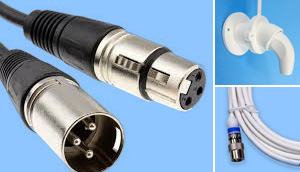
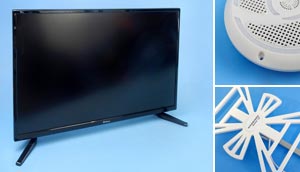
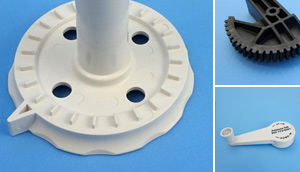
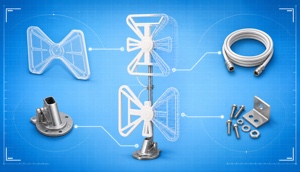






Before choosing a 12V caravan TV, measure the cabinet or wall space and check how it will be powered. A TV that suits the van needs the right voltage input, screen size, bracket pattern and reception setup, not just the biggest screen that fits the price.
Start with 12V TVs, DVDs and tuners if you want a TV that can run from caravan battery power as well as mains power. Check the voltage input, watts, supplied lead and whether the TV is listed as 12V/240V. A household TV with an adaptor is not always the best choice for a caravan that moves, vibrates and may run from limited battery capacity.
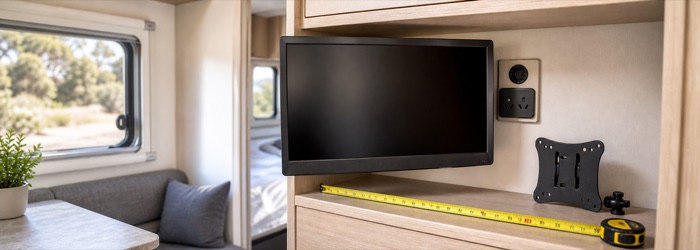
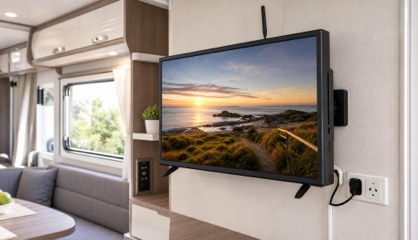
Measure the cabinet opening or wall position before choosing 24 inch or 32 inch. Also check the TV weight, VESA mounting pattern and whether the bracket can lock or be secured for travel. Use TV wall brackets after checking the mounting pattern on the TV, not before.
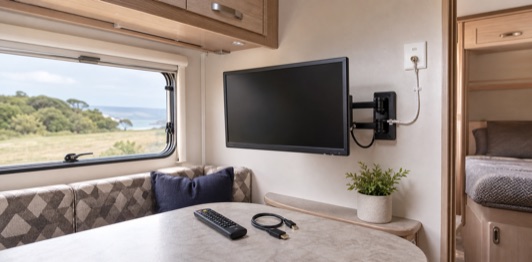
Smart TVs suit streaming, casting and app use where Wi-Fi or phone hotspot coverage is available. DVD models are still useful for offline viewing when internet is unreliable. Use the 12V TV comparison to compare screen size, resolution, DVD, USB playback, inputs, weight, VESA pattern and operating system.
If the TV turns on but channels are missing, pixelated or unreliable, check the antenna, amplifier, cable, wall plate and location before replacing the screen. The TV reception guide is the right first stop for signal problems, and the omnidirectional antenna guide helps when you are comparing modern caravan antennas.
A good caravan TV setup is the TV, bracket, antenna and cabling working together. Use TV and radio antennas, TV and audio cables and the TV antenna diagrams if you are repairing the signal path rather than buying a new screen.
Use the power input, screen space, bracket position and signal issue to narrow the list before comparing products.
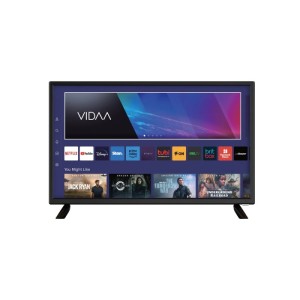
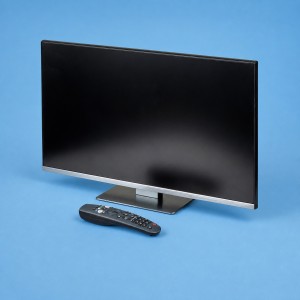
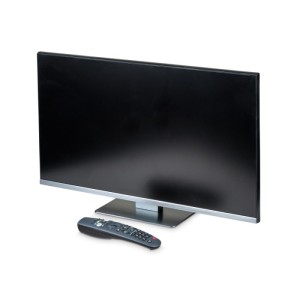
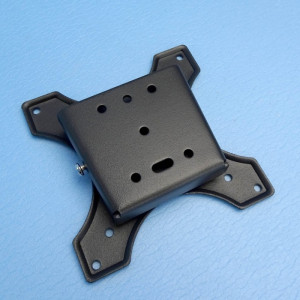
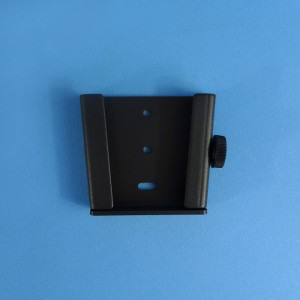
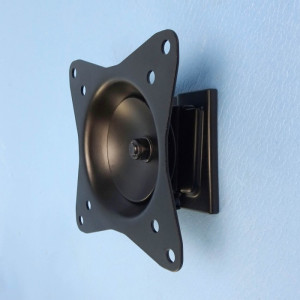
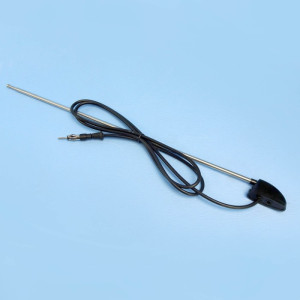
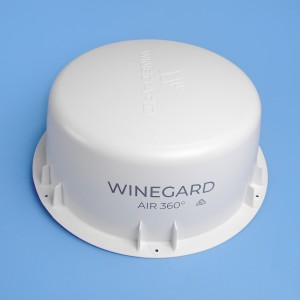
Most caravan TV jobs are either choosing the screen, mounting it safely, or fixing reception. Work out the problem before replacing good hardware.
| TV setup choice | Best for | Power and feature checks | Check carefully |
|---|---|---|---|
| 12V smart TV | Streaming and free-to-air viewing where smart apps, Wi-Fi and low power draw matter. | Commonly 12V/240V with HD/Full HD screen, smart OS, Bluetooth or casting features. | Check watts, voltage input, screen size, viewing angle, VESA mount and travel restraint. |
| 12V TV with DVD | Offline viewing where internet is unreliable or children still use DVDs. | Built-in DVD avoids a separate player and cabling. | Check disc access direction, bracket clearance and whether DVD is still needed. |
| TV brackets and mounts | Mounting the TV securely in a caravan cabinet or wall position. | VESA 75/100 brackets, base plates, tilt/swivel and travel plate kits. | Check wall strength, VESA pattern, weight rating and locking/travel position. |
| Antennas and reception | When the TV works but channel signal is weak or inconsistent. | Winegard, King Jack, Antennatek, omni antennas, cables, wall plates and signal meters. | Reception problems may be antenna, cable, amplifier, direction or location rather than TV. |
Caravan TV mistakes usually come from ignoring power draw, wall mounting, reception or smart feature needs.
A good caravan TV setup needs the TV, bracket, antenna and cabling to work together.
| TV setup part | Use for | Check carefully | Best next step |
|---|---|---|---|
| Aussie Traveller / RV Media TVs | 12V/240V smart TVs, DVD TVs and caravan TV upgrades. | Screen size, power draw, OS, DVD and VESA fit matter. | Start with TVs and comparison. |
| Sphere / Majestic brackets | Wall mounting, swivel mounting and removable plate kits. | VESA size, bracket lock, wall structure and weight rating matter. | Start with TV brackets. |
| Winegard / King Jack / Antennatek | Free-to-air reception, antenna upgrades and spare parts. | Antenna type, amplifier, cable run and signal direction matter. | Start with antenna guides and categories. |
| Cables, wall plates and signal meters | Fixing weak signal, missing channels or connection problems. | A small cable/wall plate issue can look like a bad TV or antenna. | Start with TV/audio cables. |
If you already have a TV, check whether the problem is power, mounting, antenna, cable, amplifier, signal direction or location before replacing hardware.
Helpful when choosing or diagnosing a caravan TV setup.
Use these links when you already know whether you need a TV, bracket, antenna or cable.

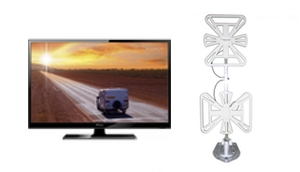
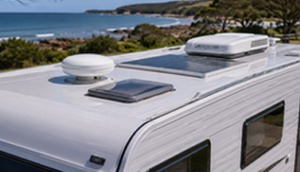
A 12V/240V caravan TV is best when you want to run from battery power and mains power. Check watts, voltage input and power setup before ordering.
24 inch is common for compact spaces, while 32 inch suits larger vans where cabinet space, viewing distance and bracket strength allow.
Choose smart TV features for streaming and casting. Choose DVD if you want offline viewing where internet is unreliable. Some models include both.
Not always. Poor reception may be caused by antenna type, direction, amplifier, cable, wall plate or location. Check reception guides before replacing a working TV.

Excellent service, quick delivery
fast postal delivery and high quality
Exactly what I was after added this on my Millard van as it is the same as manufacturers original