Nothing in cart


Fast, efficient and prompt delivery
1st order by John from QLD
Caravan theft is still a real concern in Australia, and most security accessories should be treated as deterrents rather than a guarantee. The aim is to make your caravan slower, noisier and less convenient to steal than the easier target nearby.
The two main styles are coupling locks and wheel clamps. Coupling locks are compact and quick to fit. Wheel clamps are bulkier, but they stop the trailer at the wheel and are a stronger visual deterrent. For best protection, use more than one layer.
A common trap is fitting a coupling lock but leaving the safety chains loose. Several experienced customers have pointed out that loose chains can sometimes be used to drag a trailer away even when the coupling itself is locked. If you use a coupling lock, also secure the chains so they cannot be looped over a tow ball.
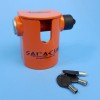
Coupling locks, also called tow ball locks, are usually the most convenient style of caravan security. The basic idea is simple: block the coupling so someone else cannot quickly hitch up and drive away.
Key benefits of this style of lock are:

The caravan or trailer is secured by limiting unwanted access to the coupling. This is usually done by inserting a tow-ball-style piece into the coupling and locking a bar or body over the top.
The effectiveness depends heavily on the construction quality of the lock. Cheaper lightweight trailer locks may be acceptable for a small box trailer, but a caravan needs stronger materials, a better lock barrel, and a design that limits access for drills, cutters or angle grinders.
Higher quality locks provide a greater level of confidence. Some use stronger materials, shield the lock better, suit more coupling styles, or add an anti-tamper alarm.
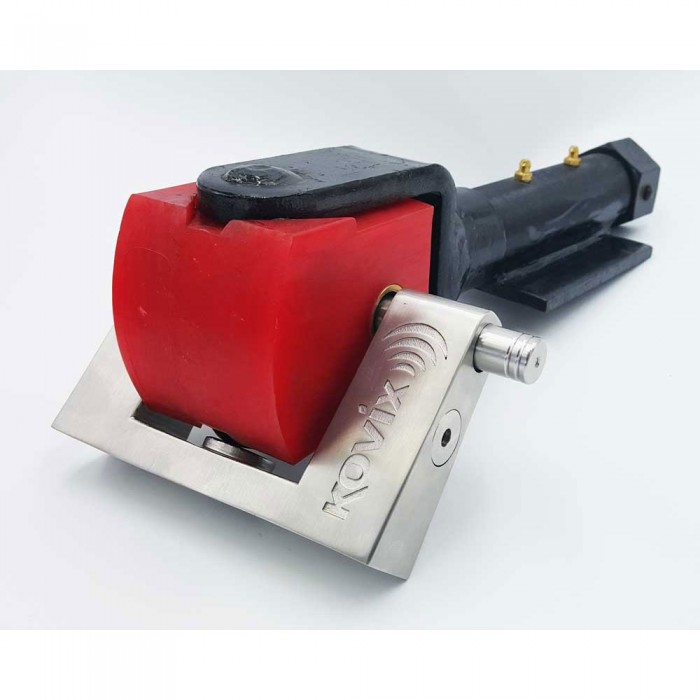
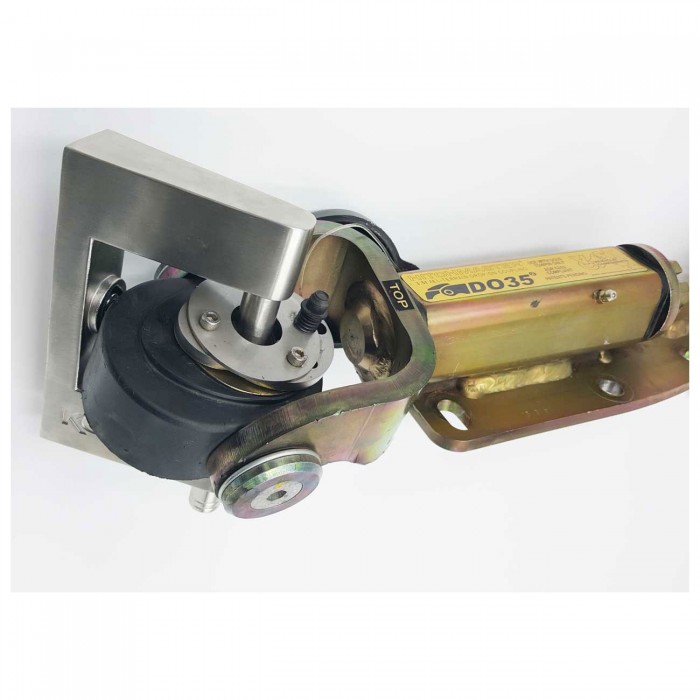
Many camper trailers and off-road caravans use off-road couplings. The Kovix trailer lock shown above will also suit Treg-style block hitches and Hitchmaster DO35 hitches.
A coupling lock is much stronger when the safety chains are also secured. If the chains are left loose, a thief may be able to loop them over a tow ball and drag the caravan away without using the locked coupling.
When the caravan is parked, pull the chains back through the coupling handle or shorten them so they cannot reach a tow vehicle, then secure them with a good quality padlock or chain lock. The aim is not to make theft impossible; it is to remove the quick, quiet option.
This is also where layered security helps. A coupling lock, secured chains, a wheel clamp, locked gates, good lighting, and a GPS tracker all do different jobs. The more time and noise required, the more likely a thief is to move on.
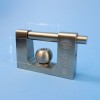
Securing your caravan with a wheel clamp is a very effective way of protecting your investment. With a wheel clamp attached, it is much harder to move the trailer, and the clamp is a strong visual deterrent.
The added strength of this style does come at a cost. Things to consider are:

Wheel clamps are not only a security device; they are also a clear visual deterrent. When choosing one, look for:
A wheel clamp is a simple investment to help protect your caravan, especially when it is parked at home or in storage for longer periods.
CIL Insurance executive manager Andrew O'Hara says:
"Our experience shows that caravans are more often stolen from storage yards, often in remote areas, or from home addresses when the owner may be away,"
"These thefts usually occur when there is a lack of van security, such as a tow hitch lock, and caravans are facing outwards, making it easier to tow them away."
Peter Wright, executive officer of the Caravan Trade Industries Association (Vic), said recently that "...we have had only one instance in the last three or four years where a caravan has been returned. We think they end up on blocks of land. They don't get found at the end of the day."