
Nothing in cart
Excellent service. Prompt delivery and the product was exactly what I was after. Pricing was good also.
1st order by Alan from TAS
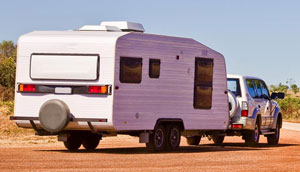
This is part of our self-build caravan series. The first decision is not really about timber, tools or appliances. It is whether you should build, renovate, buy near-new, or buy a finished caravan and start travelling.
For many people the right answer is to buy one. A caravan is meant to make holidays easier, and a completed van can get you on the road much faster. For others, the building process is part of the recreation. If you enjoy practical work, planning and problem solving, a self-build or rebuild can be achievable and rewarding.
Start with the full series here: Ever Wanted To Build or Rebuild a Caravan?.
Buying a new caravan is usually the simplest path if you want a warranty, a current layout, and a finished van without taking on a major project. You can compare layouts, finish quality, payload, storage, appliance choices, tow weight and price across several dealers before committing.
If you already own a caravan, you can either accept the trade-in value or sell privately. A private sale may return more money, but it also takes more time and effort.
The main compromise with new caravans is timing and price. Unless a dealer already has the exact layout and colour scheme you want, you may need to wait months for the van to be built. The caravan will normally have its own warranty, and most appliances will have separate warranties from their manufacturer or importer.
A near-new caravan can be a good middle ground. You may save money compared with a brand-new van while still getting modern construction, current appliances and a layout that suits your plans.
The trade-off is choice. You may need to compromise on colour, upholstery, appliances, awning style or optional accessories. On the upside, a near-new van may already include extras that would cost more on a new order.
Check service history, remaining appliance warranties, tyre age, battery age, water ingress, payload, and whether any upgrades were installed neatly and legally.
An older caravan can offer significant savings, especially if you are prepared to tidy, repair or modernise it. It can also be a practical starting point for a renovation if the chassis and body are sound.
Inspect the expensive and safety-related parts first:
Pay close attention to internal wall and ceiling staining. Look inside top and bottom cupboards because they can hide water damage. Significant staining or ply damage may point to long-term leaks, which can damage timber frames and structural ply sheeting.
Replacing internal wall or ceiling panels can be slow and complex. Cosmetic repairs that hide structural water damage are not a good basis for a touring caravan.
If you are interested in building or renovating instead of buying a finished caravan, the rest of this series walks through the main stages.
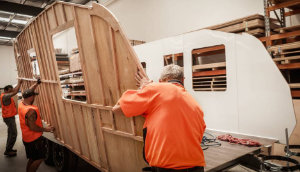
You do not need to start from nothing. Some people build from a chassis, some rebuild an older van, and others keep the walls and roof while replacing the interior, wiring, plumbing and fittings. If you are renovating and keeping usable structure, you can skip some of the early build steps.
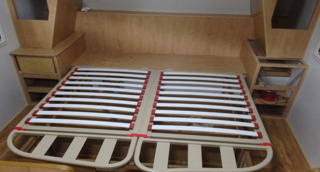
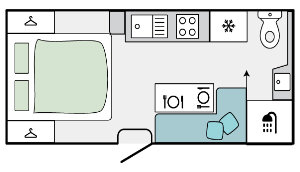
The self-build series is arranged as a practical building plan, starting with layout and moving through workspace, legal requirements, chassis, flooring, wall framing, cladding, furniture, plumbing and component sourcing.






Excellent service. Prompt delivery and the product was exactly what I was after. Pricing was good also.
First class service as always. Item received quickly and as described.
Great Company to deal with and very reliable service.