
Nothing in cart

The Grommets look great but with in a couple of days a couple of them have already broken from having to remove the burner stands to clean around the burners.
2nd order by David from NSW
Most RVs have two separate electrical systems: 12V for batteries, lights and many low-voltage appliances, and 240V mains power for power points and mains appliances.
This is a safety introduction, not wiring instructions. Any 240V wiring, inlet, power point, switch, RCD, plug replacement or fixed installation work must be done by a licensed electrician.
In a house, each 240V circuit starts at the switchboard and is permanently wired. In an RV, the incoming mains supply usually starts at the caravan park outlet or home power point, then runs through a removable supply lead to the caravan inlet.
That removable lead is part of the safety picture. Its length, condition, plug rating and how it is connected all matter. A damaged lead, undersized lead, poor connection, water entry or overloaded adapter can create heat or electric shock risk.
Keep the 12V and 240V systems separate in your head. Plugging into 240V mains does not turn your 12V sockets into 240V outlets. Your 12V outlets remain 12V, supplied from the battery/charger system. To run a 240V appliance from batteries, you need the correct inverter setup, not a direct connection to 12V wiring.
Most caravans and motorhomes take incoming mains power through a 15A inlet and a 15A extension lead. A 15A plug has a larger earth pin than a normal 10A household plug, so it cannot be plugged directly into a standard 10A outlet.

Above: A 15A caravan lead can carry more current than a standard 10A household lead. A heavy-duty 10A extension lead is still not a 15A caravan supply lead.

Do not join caravan supply leads end-to-end just to reach a power outlet. Long runs and extra joins can increase heat, voltage loss, water entry and trip-risk problems. Carry the correct length 15A lead for the site, and carry a shorter one as well if that is more convenient for close outlets.
If you need more than one 240V circuit in a caravan, that is fixed electrical design work. Talk to a licensed electrician rather than trying to work around the limit with joined leads or extra adapters.
At home or at a friend's house, you may only have a standard 10A power point available. Do not file down a 15A plug, change plugs, or use a basic 10A extension lead as a caravan supply lead.
Use an approved 10A-to-15A adapter that limits the current draw and includes suitable protection. These adapters are different from joining two extension leads together. They are designed to let a 15A caravan lead be supplied from a 10A outlet at a reduced current limit.
Weather rating matters. Keep indoor-only adapters and connections out of rain, wet grass and puddles. If using an outdoor-rated adapter, still keep leads and connections arranged so water cannot sit around plugs and sockets.
The 240V switches and power points used in caravans and motorhomes are not the same as normal household fittings. RV power points and switches must be the correct double pole type for the installation.

Double pole switching means the switch opens both the active and neutral conductors. This matters in a transportable installation because the supply can come from different outlets and leads, and a fault or reversed supply condition must not leave the appliance side unexpectedly live when switched off.
Do not replace caravan 240V outlets with normal household single pole outlets. Do not add fixed power points, inlets, chargers or switches yourself. That is licensed electrical work.
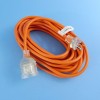
Shown below is one size 15A extension lead that we sell. Choose a good-quality lead in the length you need, and inspect it before each trip for damage, loose plugs or overheating marks.



The Grommets look great but with in a couple of days a couple of them have already broken from having to remove the burner stands to clean around the burners.
Fast delivery and fits perfectly
Very happy with sevice and promptness and the fact as we were travelling in the region we could pick our order up at the premises. Thank you